Best Time to Visit Siem Reap: Weather, Crowds, and Experiences

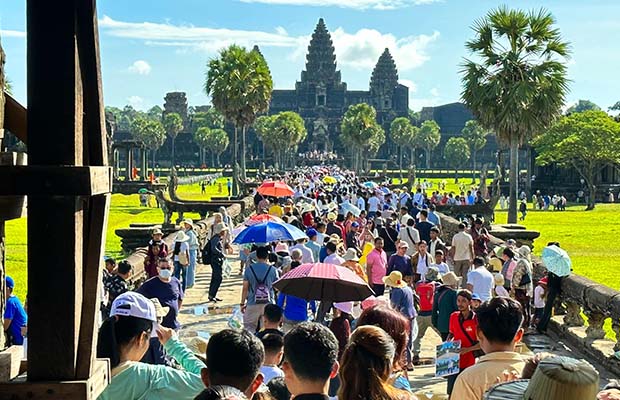
The best time to visit Siem Reap largely depends on what you value most—comfortable weather, fewer crowds, or unique cultural experiences. Generally, the peak season runs from November to February, when temperatures are cooler and humidity is lower. During these months, the skies are clear and ideal for exploring the Angkor temple complex, floating villages, and outdoor markets. However, this is also when tourist numbers swell, meaning higher prices and busier attractions.

If you prefer a balance between good weather and manageable crowds, March to May offers warm, dry conditions, though temperatures can soar above 35°C. This period rewards early morning temple visits and quieter evenings around town. Travelers who can handle the heat may find this shoulder season especially enjoyable.

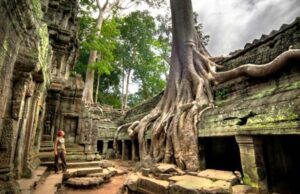
The rainy season, from June to October, transforms Siem Reap into a lush, green landscape. Afternoon showers are common, but they rarely disrupt the entire day. This season provides fewer tourists, lower accommodation rates, and stunning scenery—particularly around temples such as Ta Prohm, where moss-covered stones and dramatic skies create atmospheric photo opportunities. It’s also the best time to see the Tonlé Sap Lake at its fullest, enriching visits to floating villages.

Ultimately, the best time to visit depends on your priorities. For the most comfortable climate, choose November to February. For fewer crowds and great value, consider June to October. And for a blend of both, March to May offers a pleasant middle ground.

Related Blog

The Sea Festival 2024, marking its 11th edition, will take place in Kampot province from December 13 to 15. This year’s theme, “Celebrating Heritage and Coastal Sustainability,” reflects the festival’s focus on honoring the region’s rich maritime traditions while highlighting the importance of preserving coastal environments. Attendees can look forward to a vibrant array of activities that celebrate both cultural heritage and sustainable practices.

Organized by a coalition including the Ministry of Tourism, the Ministry of Culture and Fine Arts, and the Provincial Administration of Kampot, the festival is supported by various institutions and private sector partners. This collaboration underscores a unified commitment to showcasing Cambodia’s maritime heritage and promoting coastal sustainability.

A significant highlight of the event will be the official Opening Ceremony on December 14, presided over by Prime Minister Hun Manet and First Lady Pich Chanmony. Their participation emphasizes the festival’s role in fostering national pride and cultural heritage while reinforcing the commitment to environmental stewardship.

The festival promises an exciting lineup of activities, including live concerts featuring local and international artists, vibrant performances, and spectacular fireworks displays. Visitors can also participate in sports competitions, explore exhibitions showcasing tourism and local products, and indulge in a variety of food and beverage offerings. These events aim to provide a comprehensive experience of Cambodia’s coastal culture and attractions.

Since its inception in 2011, the Sea Festival has been held in rotation across Cambodia’s four coastal provinces: Preah Sihanouk, Kep, Koh Kong, and Kampot. The festival aims to highlight the tourism potential of these regions while fostering collaboration among the private sector, public entities, and various stakeholders, ultimately encouraging efforts to protect and preserve marine resources and beach environments.

With a coastline spanning approximately 450 kilometers across these provinces, Cambodia boasts stunning natural beauty and diverse marine ecosystems. The country’s dedication to its coastal areas was further recognized when it joined the Most Beautiful Bays in the World (World-Bays Club) in mid-2011.

The Sea Festival 2024 aims to celebrate the rich cultural heritage of Cambodia’s coastal regions while promoting sustainable tourism practices. By blending cultural festivities with environmental awareness, the festival seeks to enhance public understanding and involvement in preserving these vital natural resources.

This year’s event in Kampot promises to be a memorable celebration, combining entertainment, culture, and sustainability to highlight the beauty and significance of Cambodia’s coastal regions

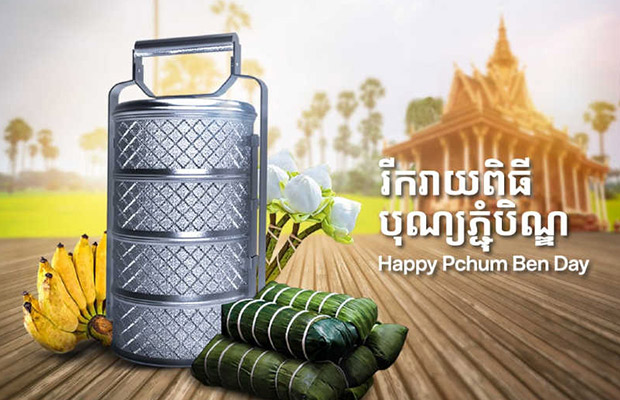
Also called Ancestor’s’ Day, Pchum Ben is, according to legend, a time where spirits of deceased relatives and ancestors walk the earth. Running for 15 days, usually towards the end of September or October, the fifteenth day of the tenth month of the Khmer Calendar marks one of the most traditional and colourful festivals in Cambodia with people dressing up in traditional clothing to visit their local pagodas with food and offerings and pay respect to their ancestors.

Pchum Ben can also be translated to ‘gathering together to make offerings’, and that’s exactly what families do when they visit the pagodas.

Enjoy your wonderful family reunion!

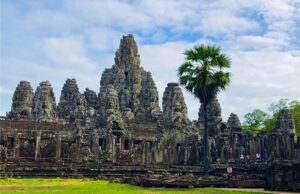
Start your day with a tour of Angkor Thom, including visits to the Bayon Temple, Baphuon, Terrace of the Elephants, and Terrace of the Leper King. Angkor Thom, founded by Jayavarman VII in the 12th century, was one of the largest Khmer cities and remained the capital until the 17th century. Then, explore Ta Prohm, famous for the gigantic tree roots intertwined with the temple structure.

After lunch, visit Angkor Wat, the Seventh Wonder of the World. Spend your afternoon exploring this magnificent temple until late in the day. Climb Bakheng Hill to enjoy a breathtaking sunset view. Return to Siem Reap for dinner at a local restaurant and stay overnight. You have optional transportation by Tuk Tuk, by Car, or Mini Van.

Angkor Tour