Solo Travel in Siem Reap: Staying Safe and Enjoying Every Moment

Solo travel in Siem Reap can be a rewarding experience, offering freedom, self-discovery, and a deep connection to Cambodia’s rich culture. Known for the magnificent Angkor temple complex, this city welcomes travelers with warm hospitality and a relaxed atmosphere. With sensible precautions, solo travelers can stay safe while fully enjoying every moment.

Safety begins with preparation. Choosing accommodation in central areas, such as near Pub Street or the Old Market, makes transportation easier and surroundings more secure. Using reputable tuk-tuk drivers, hotel-arranged transport, or trusted ride apps helps reduce risks when moving around the city. It is also wise to keep valuables secure, avoid displaying expensive items, and stay aware of surroundings, especially at night.

Health and comfort are equally important. Drinking bottled water, using sunscreen, and taking breaks from the heat help prevent common travel discomforts. Respecting local customs—such as dressing modestly at temples and speaking politely—builds positive interactions with locals and enhances cultural understanding.

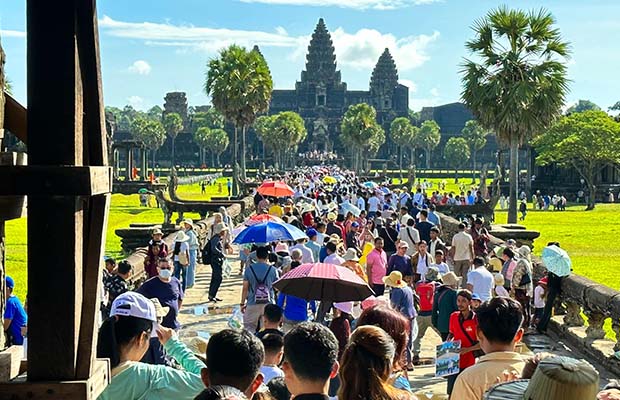
Beyond safety, Siem Reap offers countless opportunities for enjoyment. Exploring Angkor Wat at sunrise, visiting local markets, and trying traditional Khmer food allow solo travelers to create meaningful experiences at their own pace. Joining guided tours or workshops can also be a great way to meet other travelers while learning more about the area.

In conclusion, solo travel in Siem Reap is both safe and enriching when approached thoughtfully. With awareness, respect, and curiosity, travelers can enjoy every moment of this unforgettable destination.

Related Blog

Cambodia, known for its warmth and hospitality, invites visitors to experience its rich cultural heritage with respect and awareness. Before embarking on your journey to this Kingdom of Wonder, it’s essential to familiarize yourself with local customs and practices to ensure a respectful and enjoyable visit.

When traveling in Cambodia, it is crucial to seek permission before taking photographs of Cambodian people or monks, as this demonstrates respect for their privacy and cultural practices. In places of worship, such as pagodas or temples, it is customary to remove your shoes and dress modestly, covering your upper arms and legs while removing hats. This practice also extends to entering someone’s home, where removing your shoes is a sign of respect. A respectful greeting involves a slight bow with your hands pressed together at the chest, known as the “Sampeah.” If you are invited to dine at a Cambodian family’s home, bringing a small gift, such as fruit, dessert, or flowers, is considered polite. Additionally, when attending a Cambodian wedding, it is customary to bring cash as a wedding gift. At the dining table, if using a toothpick, cover your mouth with one hand to maintain propriety. Business cards should be exchanged with both hands, and they should also be received in the same manner.

Conversely, there are several important DON’Ts to observe while in Cambodia. Do not use your feet to point at someone or touch a Cambodian person’s head, as both actions are considered disrespectful. If you are a guest at a meal, wait for the host to start eating before you begin. Women should avoid touching male monks or handing items directly to them, as this is not permissible. It is also advised to keep public displays of affection to a minimum, as overt displays may be viewed as inappropriate.

In terms of commonsense practices, ensure that you do not litter and contribute to keeping the community clean and safe. Proper disposal of plastic bags is essential to avoid environmental hazards.

When it comes to what to wear, Cambodia’s weather is categorized into the wet season (May to October) and the dry season (November to April). For the dry season, lightweight, loose-fitting cotton clothing is recommended due to the hot and humid conditions. Long pants and long-sleeved shirts are advisable for outdoor activities like hiking or trekking, and a hat and sunglasses are useful for sun protection. During the rainy season, packing a light rain poncho or a sturdy umbrella is practical, along with a light jacket or cardigan for the cooler months of December and January. When visiting outdoor temples, including Angkor Wat, shorts and T-shirts are acceptable, but shoes and hats should be removed at the entrance. For more formal sites like the Silver Pagoda within the Royal Palace grounds, dress more formally: gentlemen should wear long trousers, and ladies should opt for long trousers or skirts while keeping their shoulders covered.

For your trip, be sure to bring photocopies of your passport and at least two passport-size photographs. Carry cash in denominations of US$1, $10, $20, and $50, and consider packing a folding umbrella or lightweight rain poncho if traveling during the rainy season. Zip lock bags are handy for keeping items fresh and dry. Most importantly, bring an adventurous spirit to fully embrace and enjoy the diverse experiences Cambodia has to offer.
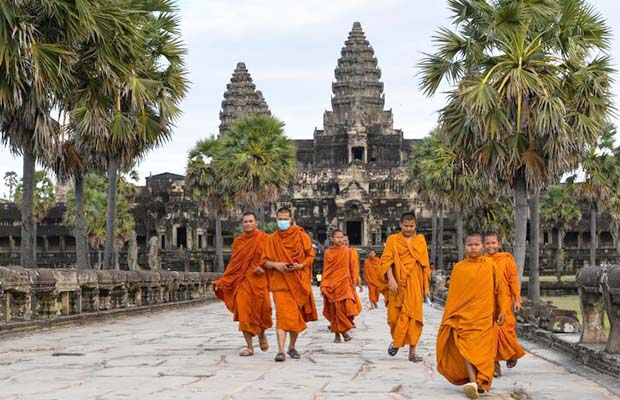
Siem Reap will come alive on Nov. 14-15 for its vibrant Water Festival, a lively celebration filled with a variety of activities that embrace Cambodia’s rich cultural heritage. Alongside the iconic boat races, which remain a highlight of the festival, visitors can partake in full moon salutations and taste traditional pounded rice dishes, symbolizing blessings and community unity. The enchanting lantern floats will also light up the evening sky, adding a magical touch to the festivities.

Beyond these traditional events, visitors can enjoy exhibitions showcasing local food and products, with stalls offering a taste of Cambodia’s unique flavors and craftsmanship. Concerts, cultural performances, and various forms of entertainment will fill the areas along the Siem Reap River, as well as key tourist sites, providing an exciting array of options for attendees.

This year’s festival aims to shine a light on the heart of Cambodian culture, with an expectation of drawing a diverse audience of both national and international visitors to the province. The Siem Reap administration warmly welcomes everyone to experience the festivities and has stressed the importance of maintaining order, security, safety measures, and cleanliness to ensure an enjoyable and respectful celebration for all.

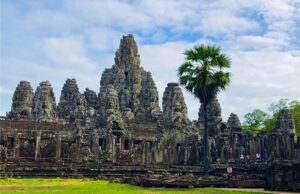
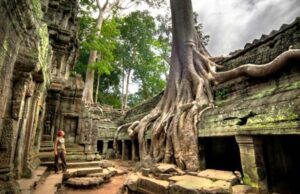
Start your day with a tour of Angkor Thom, including visits to the Bayon Temple, Baphuon, Terrace of the Elephants, and Terrace of the Leper King. Angkor Thom, founded by Jayavarman VII in the 12th century, was one of the largest Khmer cities and remained the capital until the 17th century. Then, explore Ta Prohm, famous for the gigantic tree roots intertwined with the temple structure.

After lunch, visit Angkor Wat, the Seventh Wonder of the World. Spend your afternoon exploring this magnificent temple until late in the day. Climb Bakheng Hill to enjoy a breathtaking sunset view. Return to Siem Reap for dinner at a local restaurant and stay overnight. You have optional transportation by Tuk Tuk, by Car, or Mini Van.

Angkor Tour