When visiting Angkor Wat in 2025, choosing the right transportation can enhance your overall experience, and the good news is there’s something for every budget and travel style. For comfort and flexibility, hiring a private Tuk-Tuk is one of the most popular choices, costing around $15 to $25 USD per day, with a small extra fee for sunrise tours. It’s a scenic and authentic way to explore the temples while staying cool with the breeze and occasional cold water provided by the driver. For those seeking more comfort—especially families or couples—private cars with drivers are available for $35 to $60 USD per day, offering air-conditioning and a smoother ride across longer distances. If you prefer a more guided experience, group tours typically cost $25 to $40 USD per person, while private guided tours with a vehicle can range from $60 to $120 USD, depending on the level of service and number of travelers. Adventurous and budget-conscious travelers might enjoy bicycle rentals, which cost only $2 to $5 USD per day, or e-bikes for around $10 to $15 USD, providing a more sustainable and flexible way to roam the park—though the heat and long distances should be considered. Motorbike rentals are another option at about $8 to $15 USD, but keep in mind that riding them inside the Angkor complex is restricted for tourists. For eco-conscious visitors, electric tuk-tuks or small EV cars are becoming more common, priced around $25 to $40 USD per day, and offer a quieter, greener way to travel. No matter which mode you choose, it’s best to start early in the morning to beat the heat and crowds—and always carry water, sunscreen, and a sense of wonder.

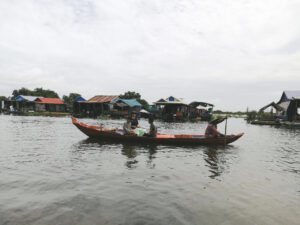 Boat tours offer stunning views of the flooded forests and provide access to the nearby Prek Toal Bird Sanctuary, a haven for rare and endangered water birds. These tours are not only visually breathtaking but also educational, shedding light on the importance of the lake’s unique ecosystem and the threats it faces from climate change and overfishing. What sets Mechrey apart is how tourism is integrated into the community in a respectful and mutually beneficial way. Proceeds from tours often go toward supporting local schools, healthcare, and conservation initiatives. Travelers can even take part in community activities such as cooking traditional Khmer dishes, visiting floating schools, or participating in environmental cleanup efforts. This kind of tourism creates meaningful exchanges between hosts and guests, fostering mutual understanding and respect. However, Mechrey is not without its challenges. Fluctuating water levels, plastic pollution, and limited access to resources make daily life difficult for residents. That’s why responsible tourism is so crucial here—it provides not just income but awareness and advocacy. Organizations and NGOs working in the area help train local guides, develop eco-friendly waste management systems, and empower villagers—especially women and youth—to take on leadership roles in tourism management. For travelers seeking more than just sightseeing, Mechrey offers the chance to witness resilience, ingenuity, and the power of a community united with nature. Visiting Mechrey is not just about observing a floating village; it’s about understanding a way of life and contributing, even in a small way, to its preservation. In doing so, we help ensure that places like Mechrey continue to float—not just on water, but on hope, dignity, and sustainable progress.