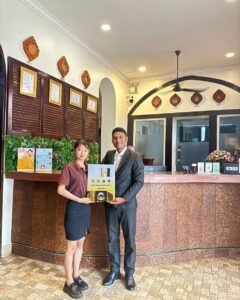
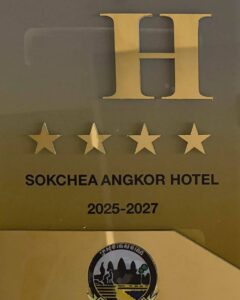
Sokchea Angkor Hotel Proudly Recognized as a 4-Star Hotel for 2025–2027

Sokchea Angkor Hotel is very proud to be officially recognized as a 4-star hotel for 2025–2027. This achievement is a great honor and shows our strong commitment to providing excellent service, high-quality facilities, and warm Khmer hospitality to all our guests. Located in the heart of Siem Reap, just a few minutes from the world-famous Angkor Wat Temple, the hotel offers a perfect place for relaxation, comfort, and cultural discovery.

Every guest room and suite at Sokchea Angkor Hotel is beautifully designed with a mix of modern style and traditional Cambodian décor. Each room includes full amenities such as air-conditioning, free Wi-Fi, comfortable bedding, and a private balcony. Guests can also enjoy our outdoor swimming pool, fitness center, spa treatments, and an on-site restaurant serving delicious local and international dishes.

Our team always welcomes guests with friendly smiles and professional service to make their stay unforgettable. The 4-star recognition for 2025–2027 highlights our dedication to maintaining high standards in every part of the hotel — from cleanliness and comfort to customer care.

We are thankful to our valued guests, staff, and partners for their trust and continued support. This award inspires us to keep improving and to create even better experiences in the years ahead. Sokchea Angkor Hotel remains your perfect choice in Siem Reap — where modern comfort meets the spirit of Khmer hospitality, making every stay relaxing, memorable, and truly special.

Related Blog

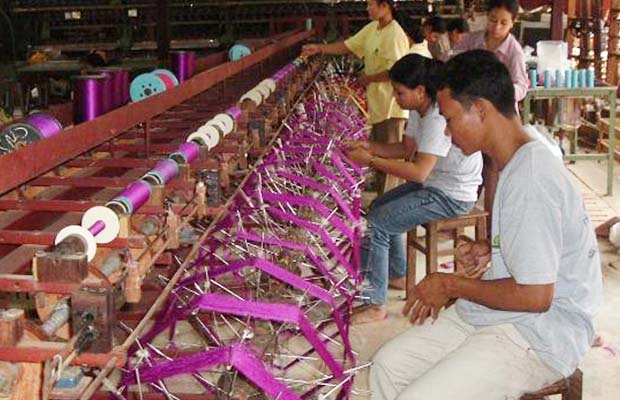
Cambodia, renowned for its rich cultural heritage, offers visitors a unique opportunity to explore the traditional art of silk production through its silk farms. These farms provide an immersive experience into one of Cambodia’s most cherished crafts, blending centuries-old techniques with modern sustainability practices. Here’s a comprehensive guide to understanding and visiting silk farms in Cambodia.

The Silk Production Process

1. Cultivation of Mulberry Trees

The journey of Cambodian silk begins with the cultivation of mulberry trees. Mulberry leaves are the primary food source for silkworms, and their quality directly impacts the silk’s texture and sheen. On a silk farm, you will often find lush mulberry plantations, meticulously cared for to ensure the health and productivity of the silkworms.

2. Raising Silkworms

Silkworms, or Bombyx mori, are raised in controlled environments where they are fed a steady diet of mulberry leaves. As they grow, they spin cocoons around themselves using silk threads. This process is crucial as the quality of the silk depends on the health of the silkworms and their diet.

3. Harvesting and Processing Cocoons

Once the silkworms have spun their cocoons, they are carefully harvested. The cocoons are then boiled in water to soften the sericin, a protein that holds the silk threads together. After boiling, the softened cocoons are unwound to extract the long, continuous strands of silk, which are then collected and processed.

4. Spinning and Dyeing

The extracted silk threads are spun into yarn, which can then be dyed using natural or synthetic dyes. Traditional silk farms often use natural dyes derived from plants, roots, and insects to produce vibrant and unique colors. The dyeing process is a meticulous art that ensures the silk’s rich hues and patterns.

5. Weaving and Crafting

Once dyed, the silk yarn is woven into various textiles using traditional handlooms. Cambodian silk weaving is renowned for its intricate patterns and designs, often reflecting cultural motifs and historical influences. Weavers employ age-old techniques to create stunning garments, accessories, and home textiles, showcasing their exceptional skill and artistry.

Why You Should Visit a Silk Farm in Cambodia

1. Cultural and Historical Insight

Visiting a silk farm offers a profound understanding of Cambodia’s textile heritage. The craftsmanship involved in silk production is deeply rooted in Cambodian history, dating back to the Khmer Empire. Experiencing this traditional art form provides valuable insights into the cultural and historical significance of silk in Cambodian society.

2. Educational Experience

Silk farm tours typically include guided visits that explain each step of the silk production process. From mulberry cultivation to the final weaving, these tours offer educational value, revealing the complexity and artistry behind silk production. You’ll learn about traditional techniques, the significance of various patterns, and the historical evolution of silk craftsmanship.

3. Hands-On Participation

Many silk farms offer interactive experiences where visitors can participate in the silk-making process. Whether it’s trying your hand at dyeing, spinning, or weaving, these hands-on activities allow you to engage directly with the craft and gain a deeper appreciation for the skill involved.

4. Support for Local Artisans

Visiting and purchasing from silk farms supports local artisans and helps sustain traditional craftsmanship. Many farms emphasize ethical practices, fair trade, and sustainable methods, contributing positively to the local economy and promoting environmentally friendly practices.

5. Unique Souvenirs

Silk farms often have on-site boutiques where you can purchase high-quality silk products directly from the source. From elegant scarves and intricate textiles to beautiful garments and accessories, these items make for unique and meaningful souvenirs. Purchasing directly from the farm ensures that your contributions benefit the local community and support traditional craftsmanship.

6. Connection with Cambodian Culture

Exploring a silk farm allows you to connect more deeply with Cambodian culture. The artistry of silk weaving and the intricate designs often reflect cultural symbols, mythological themes, and traditional patterns, offering a tangible connection to Cambodia’s artistic and cultural heritage.

A visit to a silk farm in Cambodia is a captivating journey into the country’s rich textile heritage. It offers a unique opportunity to witness the artistry of silk production, gain insights into traditional craftsmanship, and support local artisans. Whether you’re interested in the intricate process of silk making, eager to participate in hands-on activities, or looking for unique souvenirs, exploring a silk farm provides a memorable and enriching experience that connects you with Cambodia’s cultural and artistic legacy.
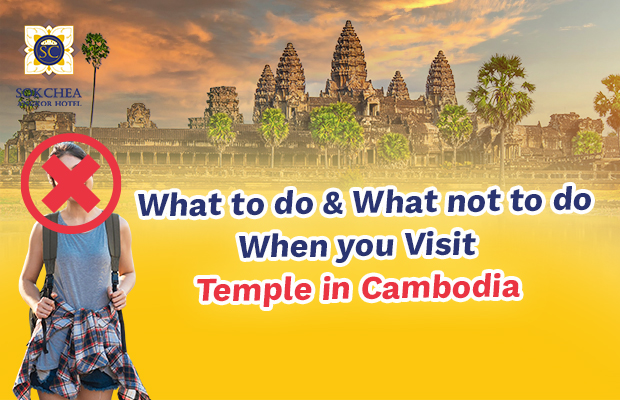
When visiting temples in Cambodia, especially the famous Angkor Wat and other sacred sites, it’s important to respect local customs and religious traditions. Here’s a guide on what to do and what not to do:

### Do’s:
1. Dress Modestly
– Wear clothing that covers your shoulders and knees (e.g., long pants/skirts and shirts with sleeves).
– Remove hats and shoes when entering temple sanctuaries or sacred areas.

2. Be Respectful
– Speak softly and avoid loud noises.
– Follow instructions from monks or temple staff.
– Bow slightly when passing in front of Buddha statues or altars.

3. Ask Permission Before Taking Photos
– Some temples prohibit photography, especially of monks or sacred relics.
– Avoid posing disrespectfully (e.g., turning your back to Buddha statues).

4. Follow Temple Rules
– Walk clockwise around stupas and shrines (a sign of respect in Buddhist tradition).
– Do not touch or lean on ancient carvings and structures.

5. Support Local Communities
– Buy souvenirs from local vendors (but avoid purchasing ancient artifacts).
– Donate respectfully if there’s an offering box.

### Don’ts:
1. Do Not Wear Revealing Clothing
– Avoid tank tops, short shorts, or beachwear inside temple grounds.

2. Do Not Touch or Climb on Sacred Structures
– Many temples are ancient and fragile; climbing on them can cause damage.
– Do not touch Buddha statues or carvings.

3. Avoid Public Displays of Affection
– Holding hands is fine, but kissing or hugging is considered disrespectful.

4. Do Not Point Your Feet at Buddha or Monks
– Feet are considered the lowest and least sacred part of the body. Sit with your legs tucked to the side.

5. Do Not Disturb Worshipers or Monks
– Avoid interrupting prayers or meditation.
– Women should not touch monks or hand objects directly to them (place items on a table or cloth instead).

6. No Smoking, Drinking, or Eating Inside Temples
– These activities are considered highly disrespectful in sacred spaces.

7. Avoid Taking “Selfie” Photos in Sacred Areas
– Some temples ban selfie sticks, and posing playfully can offend locals.

### Additional Tips:
– Visit Early Morning or Late Afternoon to avoid crowds and heat.
– Carry Cash (Small Riels or USD) for donations or small purchases.
– Hire a Licensed Guide to learn about temple history and proper etiquette.

By following these guidelines, you show respect for Cambodia’s culture and religion while enjoying a meaningful temple visit.

The eagerly awaited “Smile of Cambodia” event will return to Angkor Wat on October 29-30, as part of the Visit Siem Reap 2024 initiative.

This annual celebration honors Khmer heritage through captivating performances, vibrant exhibitions, and culinary experiences, drawing both local and international visitors. The event aims to reinvigorate post-pandemic tourism while showcasing the country’s cultural wealth.

Organized by the Ministry of Culture and Fine Arts, with the support of the Khmer Artists Association (KAA) and other key partners, it serves as a homage to Khmer art and culture.

Seth Kimsoeun, advisor to the KAA, explained that this year’s event is spearheaded by the Ministry of Culture, which is acting as the primary organizer, producer, and manager, in collaboration with the Union of Youth Federations of Cambodia [UYFC] in Siem Reap.

The festival promises a spectacular celebration with over 500 artists bringing to life the grandeur of the Angkorian Empire, particularly focusing on the royal deeds of King Jayavarman VII.

Opening with a formal ceremony at 7:30am on October 29, the event will include a full day of traditional Khmer performances, exhibitions, and a majestic parade honoring the past kings of the Khmer Empire, all set against the iconic backdrop of Angkor Wat.

Attendees will be treated to live reenactments depicting key moments from Cambodia’s ancient history, offering a glimpse into the country’s rich cultural legacy.

In addition to the performances, visitors can explore exhibitions showcasing Khmer cuisine, traditional attire, and art. These exhibitions aim to preserve ancient artistic traditions while creating a lively, festive atmosphere. A special feature of the celebration will be the Ting Mong tournament, a traditional puppet performance unique to Cambodia.

A major attraction of the event is the focus on Khmer cuisine. Attendees will have the chance to enjoy a variety of authentic Cambodian dishes, with international guests wearing traditional Khmer attire receiving complimentary food as a gesture of hospitality.

The event will also feature influencers and content creators who will help promote Cambodian heritage on social media, broadening awareness of the country’s rich cultural offerings.

As part of broader efforts to revive tourism in Siem Reap, home to the legendary Angkor Wat temple, the “Smile of Cambodia” plays a crucial role in promoting cultural tourism.

Seth Kimsoeun noted that the event highlights two major activities: performances by more than 500 artists celebrating the Angkorian Empire, and the “Smile of Cambodia” program, which showcases Khmer arts, food, fashion, and culture, all while creating an inviting atmosphere for visitors.

The event aims to draw international attention to Cambodia’s cultural tourism sites and help boost tourism through the end of 2024 and beyond into 2025.

Running from 9am to 6pm on both days, the event promises an entire day of dynamic cultural experiences against the magnificent backdrop of Angkor Wat.

For visitors, the festivities offer a rare opportunity to experience the beauty of Khmer art, culture, and cuisine, while contributing to the revival of Cambodia’s tourism industry.

The event is expected to provide an unforgettable blend of ancient history and modern cultural celebration, all in one exceptional experience.