Sokchea Angkor Hotel Pool: Your Perfect Spot to Unwind in Siem Reap

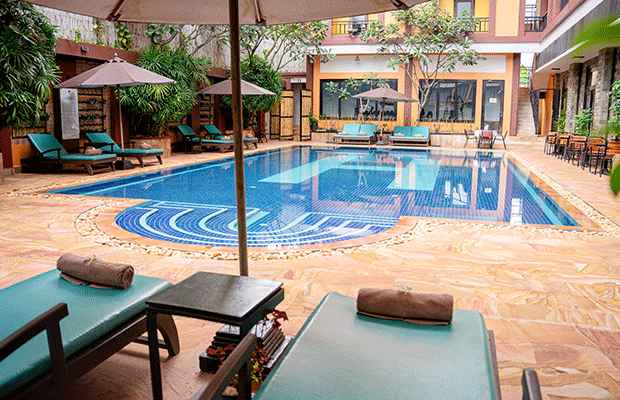
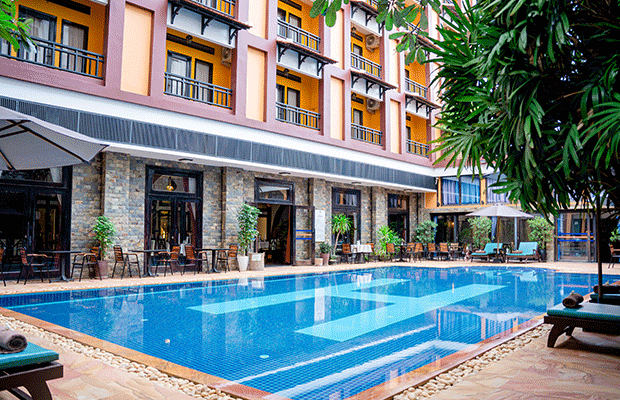
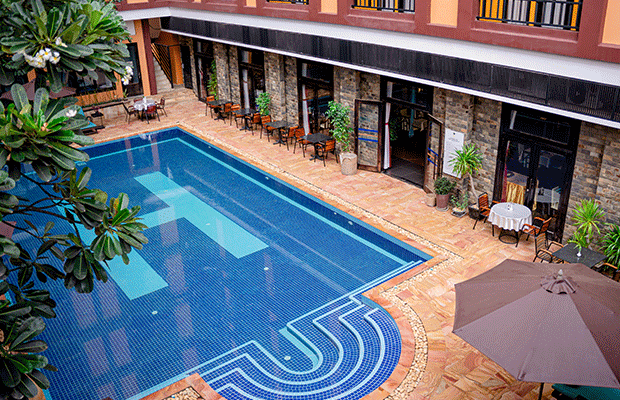
Located in the vibrant city of Siem Reap, Sokchea Angkor Hotel offers travelers a peaceful retreat after a day of exploring Cambodia’s rich cultural heritage. One of the hotel’s most relaxing features is its beautifully designed swimming pool—a tranquil space where guests can unwind and recharge.

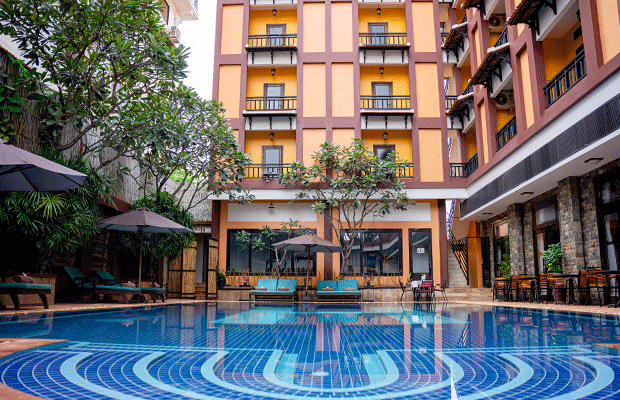
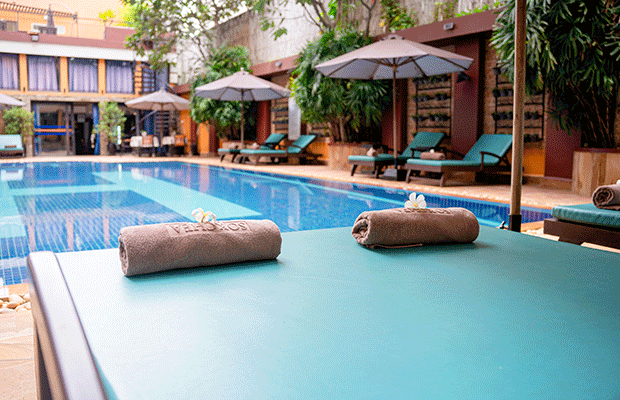
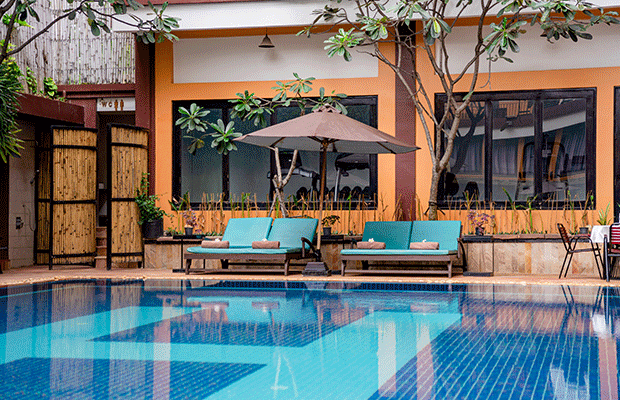
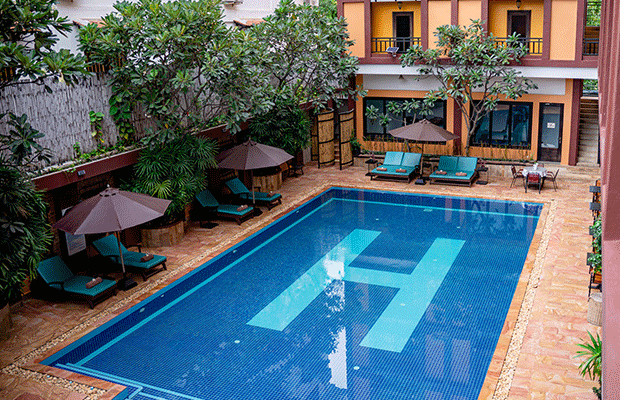
Set amidst the hotel’s elegant architecture and well-maintained garden areas, the pool provides a refreshing escape from the city’s heat. Its clean, inviting water is perfect for a morning swim or a soothing dip in the afternoon. Comfortable loungers surround the pool, giving guests a place to relax, enjoy a cool drink, or simply take in the calm atmosphere. Though there are no palm trees, the surrounding greenery and careful landscaping create a natural and peaceful environment that complements the hotel’s traditional Khmer style.

The pool area is also a great place to socialize or enjoy quiet moments alone. Attentive staff are available to serve drinks or light snacks, adding to the comfort and convenience of the experience. Whether you’re cooling off after visiting the Angkor temples or starting your day with a refreshing swim, the Sokchea Angkor Hotel pool offers a welcome break from your adventures.

For travelers looking for comfort, calm, and a touch of local charm, the pool at Sokchea Angkor Hotel is the perfect place to unwind and enjoy the best of Siem Reap hospitality.

Related Blog

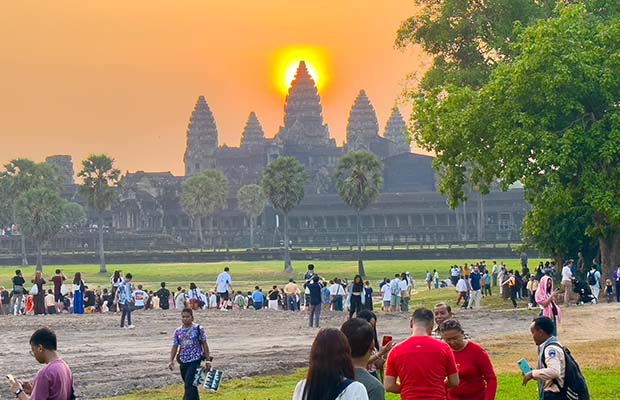
Start your day early at 4:40 am to witness the sunrise at Angkor Wat Temple. After enjoying the breathtaking sunrise, take a deeper exploration of Angkor Wat. You can take a small break for breakfast at a local restaurant or request a breakfast box from the hotel staff.

Next, continue your tour with Angkor Thom, including visits to the Bayon Temple, Baphuon, Terrace of the Elephants, and Terrace of the Leper King. Angkor Thom, founded by Jayavarman VII in the 12th century, was one of the largest Khmer cities and remained the capital until the 17th century.

After lunch, visit Ta Prohm, famous for the gigantic tree roots intertwined with the temple structure.

End your day by returning to Siem Reap for dinner at a local restaurant and stay overnight. You have optional transportation by Tuk Tuk, Car, or Mini Van.

The Sea Festival 2024, marking its 11th edition, will take place in Kampot province from December 13 to 15. This year’s theme, “Celebrating Heritage and Coastal Sustainability,” reflects the festival’s focus on honoring the region’s rich maritime traditions while highlighting the importance of preserving coastal environments. Attendees can look forward to a vibrant array of activities that celebrate both cultural heritage and sustainable practices.

Organized by a coalition including the Ministry of Tourism, the Ministry of Culture and Fine Arts, and the Provincial Administration of Kampot, the festival is supported by various institutions and private sector partners. This collaboration underscores a unified commitment to showcasing Cambodia’s maritime heritage and promoting coastal sustainability.

A significant highlight of the event will be the official Opening Ceremony on December 14, presided over by Prime Minister Hun Manet and First Lady Pich Chanmony. Their participation emphasizes the festival’s role in fostering national pride and cultural heritage while reinforcing the commitment to environmental stewardship.

The festival promises an exciting lineup of activities, including live concerts featuring local and international artists, vibrant performances, and spectacular fireworks displays. Visitors can also participate in sports competitions, explore exhibitions showcasing tourism and local products, and indulge in a variety of food and beverage offerings. These events aim to provide a comprehensive experience of Cambodia’s coastal culture and attractions.

Since its inception in 2011, the Sea Festival has been held in rotation across Cambodia’s four coastal provinces: Preah Sihanouk, Kep, Koh Kong, and Kampot. The festival aims to highlight the tourism potential of these regions while fostering collaboration among the private sector, public entities, and various stakeholders, ultimately encouraging efforts to protect and preserve marine resources and beach environments.

With a coastline spanning approximately 450 kilometers across these provinces, Cambodia boasts stunning natural beauty and diverse marine ecosystems. The country’s dedication to its coastal areas was further recognized when it joined the Most Beautiful Bays in the World (World-Bays Club) in mid-2011.

The Sea Festival 2024 aims to celebrate the rich cultural heritage of Cambodia’s coastal regions while promoting sustainable tourism practices. By blending cultural festivities with environmental awareness, the festival seeks to enhance public understanding and involvement in preserving these vital natural resources.

This year’s event in Kampot promises to be a memorable celebration, combining entertainment, culture, and sustainability to highlight the beauty and significance of Cambodia’s coastal regions

Discover the Enchanting World of Kampong Phluk: A Journey into Cambodia’s Floating Village and Nature’s Embrace

Nestled on the mighty Tonle Sap Lake, just a short journey from the ancient wonders of Angkor Wat, lies Kampong Phluk, a captivating floating village that offers a unique glimpse into a way of life intrinsically tied to the rhythm of the water. For anyone seeking an authentic cultural experience blended with breathtaking natural beauty, a visit to Kampong Phluk is an absolute must. Kampong Phluk is approximately 32.3 km from Sokchea Angkor Hotel.


More Than Just a Village: A Harmony with Nature

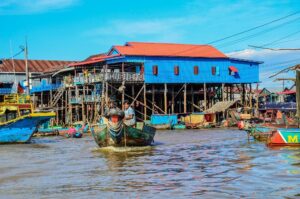
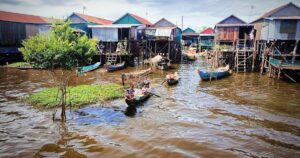
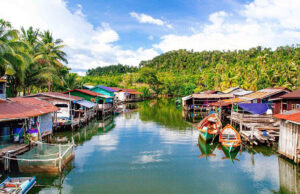
Kampong Phluk is not merely a collection of houses; it’s a testament to human ingenuity and adaptation. Imagine an entire community built on towering stilts, rising majestically from the water as the lake expands during the wet season, and then resting on exposed ground during the dry months. This remarkable architecture is a direct response to the dramatic seasonal fluctuations of the Tonle Sap, Southeast Asia’s largest freshwater lake and a vital ecological heartland.

The village’s pulse beats in harmony with its surroundings. The primary livelihood here is fishing, a tradition passed down through generations. Visitors can witness the daily routines of the villagers as they expertly navigate their boats, cast their nets, and bring in the day’s catch. It’s a vibrant, living ecosystem where every aspect of life is intertwined with the water.

The Lifeblood of Kampong Phluk: The Flooded Forests

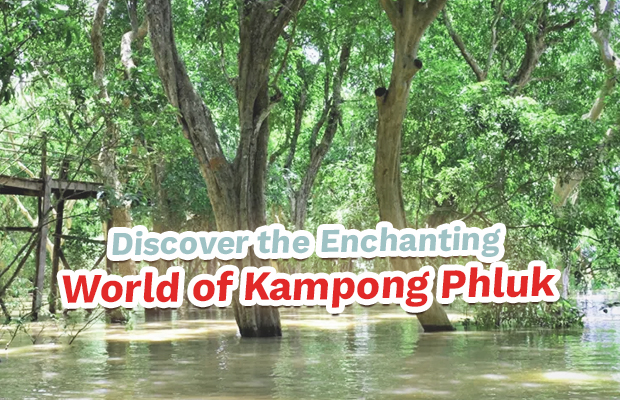
One of the most enchanting and ecologically significant features of Kampong Phluk is its surrounding flooded mangrove forests. These unique forests are not just picturesque; they are the lungs and nurseries of the Tonle Sap. During the wet season, the forests become submerged, creating an ethereal landscape where trees grow directly out of the water.

A serene boat ride through these submerged forests is an unforgettable experience. The quiet calm, broken only by the gentle dip of paddles, allows you to appreciate the sheer biodiversity these mangroves support. They serve as crucial breeding grounds and shelters for countless species of fish, birds, and other wildlife, playing a pivotal role in maintaining the lake’s rich ecosystem. Many tours offer the chance to explore these areas in smaller, traditional rowboats, allowing for a more intimate connection with nature.

Community-Based Eco-Tourism: A Sustainable Future

What makes Kampong Phluk truly special, beyond its visual appeal, is its commitment to community-based eco-tourism. Initiatives like the Kampong Phluk Community Based Eco-Tourism (CBET) project are at the forefront of ensuring that tourism directly benefits the local people while simultaneously protecting the environment.

When you visit Kampong Phluk, your presence supports the community’s efforts to:
* Protect the delicate ecosystem: Funds from tourism contribute to conservation efforts, helping to preserve the flooded forests and the lake’s abundant fish populations.
* Promote sustainable livelihoods: By providing alternative income streams, tourism helps reduce over-reliance on fishing, fostering a more sustainable economy for the villagers.
* Educate and raise awareness: Visitors learn about the unique challenges and beauty of life on the Tonle Sap, becoming advocates for its preservation.

This approach means your visit is not just a sightseeing trip; it’s an investment in the future of Kampong Phluk and the precious Tonle Sap ecosystem. Organizations, often in partnership with the local community, also work on crucial issues like waste management and environmental education, ensuring a cleaner and healthier environment for generations to come.

Planning Your Visit

Kampong Phluk is easily accessible from Siem Reap, with numerous tour operators offering half-day or full-day excursions. Most tours include transportation to the village, a boat ride through the stilted houses, and often an opportunity to explore the magical flooded forests.