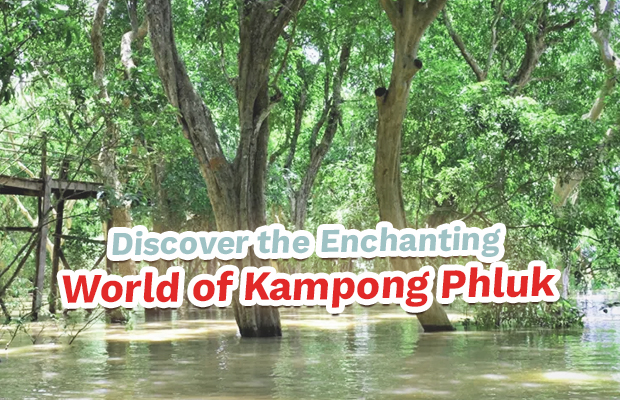
Discover the Enchanting World of Kampong Phluk: A Journey into Cambodia’s Floating Village and Nature’s Embrace
Nestled on the mighty Tonle Sap Lake, just a short journey from the ancient wonders of Angkor Wat, lies Kampong Phluk, a captivating floating village that offers a unique glimpse into a way of life intrinsically tied to the rhythm of the water. For anyone seeking an authentic cultural experience blended with breathtaking natural beauty, a visit to Kampong Phluk is an absolute must. Kampong Phluk is approximately 32.3 km from Sokchea Angkor Hotel.
More Than Just a Village: A Harmony with Nature
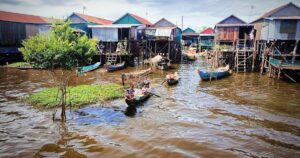
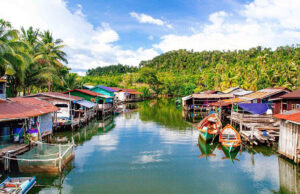
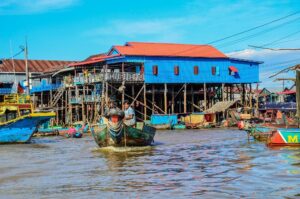
Kampong Phluk is not merely a collection of houses; it’s a testament to human ingenuity and adaptation. Imagine an entire community built on towering stilts, rising majestically from the water as the lake expands during the wet season, and then resting on exposed ground during the dry months. This remarkable architecture is a direct response to the dramatic seasonal fluctuations of the Tonle Sap, Southeast Asia’s largest freshwater lake and a vital ecological heartland.
The village’s pulse beats in harmony with its surroundings. The primary livelihood here is fishing, a tradition passed down through generations. Visitors can witness the daily routines of the villagers as they expertly navigate their boats, cast their nets, and bring in the day’s catch. It’s a vibrant, living ecosystem where every aspect of life is intertwined with the water.
The Lifeblood of Kampong Phluk: The Flooded Forests
One of the most enchanting and ecologically significant features of Kampong Phluk is its surrounding flooded mangrove forests. These unique forests are not just picturesque; they are the lungs and nurseries of the Tonle Sap. During the wet season, the forests become submerged, creating an ethereal landscape where trees grow directly out of the water.
A serene boat ride through these submerged forests is an unforgettable experience. The quiet calm, broken only by the gentle dip of paddles, allows you to appreciate the sheer biodiversity these mangroves support. They serve as crucial breeding grounds and shelters for countless species of fish, birds, and other wildlife, playing a pivotal role in maintaining the lake’s rich ecosystem. Many tours offer the chance to explore these areas in smaller, traditional rowboats, allowing for a more intimate connection with nature.
Community-Based Eco-Tourism: A Sustainable Future
What makes Kampong Phluk truly special, beyond its visual appeal, is its commitment to community-based eco-tourism. Initiatives like the Kampong Phluk Community Based Eco-Tourism (CBET) project are at the forefront of ensuring that tourism directly benefits the local people while simultaneously protecting the environment.
When you visit Kampong Phluk, your presence supports the community’s efforts to:
* Protect the delicate ecosystem: Funds from tourism contribute to conservation efforts, helping to preserve the flooded forests and the lake’s abundant fish populations.
* Promote sustainable livelihoods: By providing alternative income streams, tourism helps reduce over-reliance on fishing, fostering a more sustainable economy for the villagers.
* Educate and raise awareness: Visitors learn about the unique challenges and beauty of life on the Tonle Sap, becoming advocates for its preservation.
This approach means your visit is not just a sightseeing trip; it’s an investment in the future of Kampong Phluk and the precious Tonle Sap ecosystem. Organizations, often in partnership with the local community, also work on crucial issues like waste management and environmental education, ensuring a cleaner and healthier environment for generations to come.
Planning Your Visit
Kampong Phluk is easily accessible from Siem Reap, with numerous tour operators offering half-day or full-day excursions. Most tours include transportation to the village, a boat ride through the stilted houses, and often an opportunity to explore the magical flooded forests.


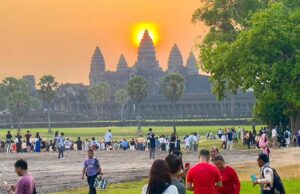
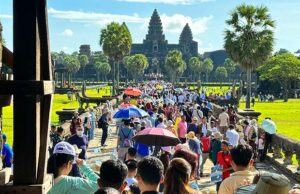
 First, plan your Angkor Wat visit early sunrise is popular, but arriving slightly before or after the crowd can offer a more peaceful experience.