Discover the Tranquil Beauty of Angkor Botanical Garden

Nestled in the heart of Siem Reap, just a short distance from the world-renowned Angkor Wat temple complex, Angkor Botanical Garden offers a peaceful escape into nature and a unique glimpse into Cambodia’s rich biodiversity. As one of the few dedicated botanical gardens in the country, it serves not only as a tranquil retreat for visitors but also as a center for education, conservation, and sustainability. Whether you’re a nature enthusiast, a photography lover, or simply looking for a quiet place to relax, the garden offers something for everyone.

Spanning over 15 hectares, Angkor Botanical Garden is home to a diverse collection of native and exotic plant species. The garden is thoughtfully divided into different thematic sections, including a palm garden, orchid house, medicinal plant garden, butterfly garden, and more. Each area is carefully curated to showcase the rich flora of Cambodia and Southeast Asia, with informative signs that explain the significance, uses, and conservation status of each plant. Visitors can stroll through shaded pathways lined with towering trees, flowering shrubs, and rare plant species, all set against the backdrop of traditional Khmer architecture and serene water features.

One of the standout attractions is the Orchid Pavilion, where visitors can marvel at a vibrant variety of orchids that bloom in stunning colors and unique shapes. The garden is also home to several endangered and endemic species, highlighting its commitment to plant conservation. Educational displays around the park provide valuable insights into the importance of protecting Cambodia’s native ecosystems, making it a great destination for families, students, and eco-conscious travelers.

But Angkor Botanical Garden is more than just a beautiful park. It is a vital part of local conservation efforts. The garden’s mission includes preserving native plant species, promoting environmental awareness, and supporting sustainable landscaping practices. It partners with local schools, universities, and NGOs to offer workshops, guided tours, and research opportunities. By integrating education and conservation, the garden inspires both locals and tourists to develop a deeper appreciation for Cambodia’s natural heritage.

For those seeking relaxation, the garden offers plenty of shaded seating areas, scenic picnic spots, and a café where visitors can enjoy refreshments surrounded by nature. Birdwatchers will also appreciate the garden’s role as a habitat for local bird species, making it an ideal spot for wildlife observation. The peaceful environment makes it perfect for meditation, yoga, or a simple stroll to unwind from the hustle of daily life or temple touring.

In recent years, Angkor Botanical Garden has become a favored destination for eco-tourism and green living initiatives in Cambodia. With its beautiful landscapes, educational programs, and focus on sustainability, it plays a key role in promoting environmental stewardship in the region. Whether you spend an hour or an entire afternoon here, the garden leaves a lasting impression of serenity, knowledge, and natural wonder.

So, if you’re visiting Siem Reap, don’t miss the opportunity to explore Angkor Botanical Garden. It’s a hidden gem that offers a refreshing break from the crowds, while connecting you to the beauty and importance of Cambodia’s natural environment.
Related Blog

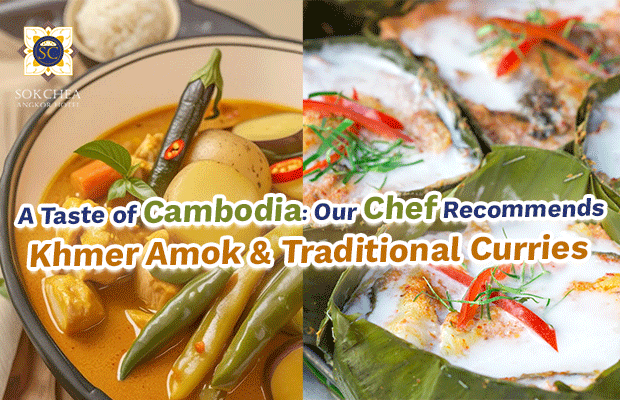
Step into the heart of Cambodian culinary tradition with our Chef’s Special Recommendation:

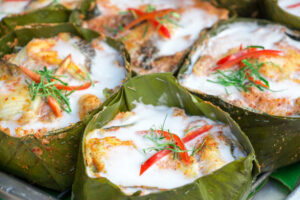
Khmer Amok. This isn’t just a dish; it’s a vibrant, aromatic masterpiece, often hailed as Cambodia’s national treasure. Our chef meticulously crafts this creamy, delicately spiced fish mousse, steamed to perfection in a banana leaf cup, bringing you a truly authentic taste of Siem Reap.

Experience the harmony of fresh herbs, rich coconut cream, and tender fish, just as it’s been enjoyed for generations.

It’s a must-try for any true food lover exploring Cambodia!


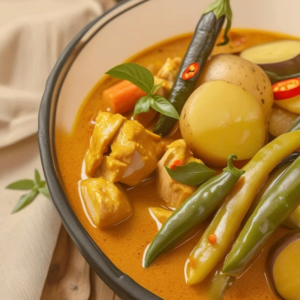
While many associate “curry” with fiery heat, our Chef invites you to discover the nuanced and aromatic world of Khmer Curry.

Unlike its spicier Thai or Indian counterparts,

Cambodian curries are renowned for their delicate balance of flavors, prioritizing fragrance and richness over intense chili heat.

The secret lies in the kroeung, our chef’s freshly pounded, aromatic paste made from local lemongrass, vibrant turmeric, galangal, and kaffir lime zest.

This fragrant blend, combined with creamy coconut milk and a touch of palm sugar, creates a wonderfully mild, yet incredibly flavorful and comforting dish. Experience the true essence of Cambodian cooking—a subtle, unforgettable journey for your palate.


Nestled on the northwestern edge of Cambodia’s iconic Tonlé Sap Lake lies a unique and enchanting destination—**Prek Toal**, a floating village and internationally recognized bird sanctuary that perfectly embodies the harmony between nature, culture, and sustainable tourism. This community-based ecotourism site, located in Battambang Province, offers a rare window into the daily life of a waterborne community while providing critical protection to some of Southeast Asia’s most endangered bird species.

What makes Prek Toal truly exceptional is its dual identity. On one hand, it’s a thriving floating village where families live in houses that rise and fall with the lake’s changing seasons. On the other, it is home to the Prek Toal Bird Sanctuary, a biosphere reserve managed with the support of the Wildlife Conservation Society and local conservationists. This flooded forest ecosystem is considered the most important breeding ground for large waterbirds in Southeast Asia, sheltering endangered species such as the Spot-billed Pelican, Painted Stork, Greater Adjutant, and Milky Stork.

The best time to visit Prek Toal is between December and February, during the dry season when the sanctuary comes alive with nesting activity. Birdwatchers, photographers, and nature lovers flock to the area for guided boat tours led by trained local bird guides. Visitors are treated to the sight of hundreds of birds soaring overhead or nesting in treetops, creating a visual and auditory experience unlike any other. Observation platforms within the sanctuary offer panoramic views across the flooded forest, making it a dream destination for wildlife enthusiasts.

Beyond the natural wonders, the heart of Prek Toal lies in its community-based tourism model. Established in collaboration with NGOs such as Osmose, the initiative was designed to offer an alternative livelihood for local families while conserving the fragile ecosystem. Visitors can choose to stay overnight in floating homestays, enjoy traditional Cambodian meals prepared by host families, and participate in cultural experiences like fishing, weaving with water hyacinth, or visiting floating schools and workshops. Every dollar spent contributes directly to the village’s economy and helps reduce pressures like illegal fishing and deforestation.

Getting to Prek Toal from Siem Reap is relatively easy: a short drive to the boat port is followed by a scenic 1–1.5 hour ride across Tonlé Sap. The journey itself is part of the adventure, as visitors travel past vast wetlands and glimpses of life on the lake. Though simple in facilities, Prek Toal offers something that many destinations lack—authenticity, peace, and purpose. It’s not a polished resort, but a place where travelers can witness resilience, biodiversity, and the real rhythms of rural Cambodia.


Whether you’re passionate about bird conservation, interested in local culture, or just looking to escape the crowds, Prek Toal offers a truly memorable and meaningful travel experience. It’s a living example of how ecotourism, when done right, can protect nature while uplifting the communities who depend on it.

Cambodia, renowned for its rich cultural heritage, offers visitors a unique opportunity to explore the traditional art of silk production through its silk farms. These farms provide an immersive experience into one of Cambodia’s most cherished crafts, blending centuries-old techniques with modern sustainability practices. Here’s a comprehensive guide to understanding and visiting silk farms in Cambodia.

The Silk Production Process

1. Cultivation of Mulberry Trees

The journey of Cambodian silk begins with the cultivation of mulberry trees. Mulberry leaves are the primary food source for silkworms, and their quality directly impacts the silk’s texture and sheen. On a silk farm, you will often find lush mulberry plantations, meticulously cared for to ensure the health and productivity of the silkworms.

2. Raising Silkworms

Silkworms, or Bombyx mori, are raised in controlled environments where they are fed a steady diet of mulberry leaves. As they grow, they spin cocoons around themselves using silk threads. This process is crucial as the quality of the silk depends on the health of the silkworms and their diet.

3. Harvesting and Processing Cocoons

Once the silkworms have spun their cocoons, they are carefully harvested. The cocoons are then boiled in water to soften the sericin, a protein that holds the silk threads together. After boiling, the softened cocoons are unwound to extract the long, continuous strands of silk, which are then collected and processed.

4. Spinning and Dyeing

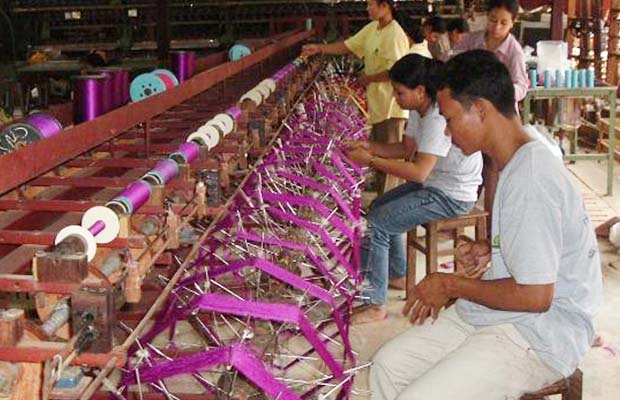
The extracted silk threads are spun into yarn, which can then be dyed using natural or synthetic dyes. Traditional silk farms often use natural dyes derived from plants, roots, and insects to produce vibrant and unique colors. The dyeing process is a meticulous art that ensures the silk’s rich hues and patterns.

5. Weaving and Crafting

Once dyed, the silk yarn is woven into various textiles using traditional handlooms. Cambodian silk weaving is renowned for its intricate patterns and designs, often reflecting cultural motifs and historical influences. Weavers employ age-old techniques to create stunning garments, accessories, and home textiles, showcasing their exceptional skill and artistry.

Why You Should Visit a Silk Farm in Cambodia

1. Cultural and Historical Insight

Visiting a silk farm offers a profound understanding of Cambodia’s textile heritage. The craftsmanship involved in silk production is deeply rooted in Cambodian history, dating back to the Khmer Empire. Experiencing this traditional art form provides valuable insights into the cultural and historical significance of silk in Cambodian society.

2. Educational Experience

Silk farm tours typically include guided visits that explain each step of the silk production process. From mulberry cultivation to the final weaving, these tours offer educational value, revealing the complexity and artistry behind silk production. You’ll learn about traditional techniques, the significance of various patterns, and the historical evolution of silk craftsmanship.

3. Hands-On Participation

Many silk farms offer interactive experiences where visitors can participate in the silk-making process. Whether it’s trying your hand at dyeing, spinning, or weaving, these hands-on activities allow you to engage directly with the craft and gain a deeper appreciation for the skill involved.

4. Support for Local Artisans

Visiting and purchasing from silk farms supports local artisans and helps sustain traditional craftsmanship. Many farms emphasize ethical practices, fair trade, and sustainable methods, contributing positively to the local economy and promoting environmentally friendly practices.

5. Unique Souvenirs

Silk farms often have on-site boutiques where you can purchase high-quality silk products directly from the source. From elegant scarves and intricate textiles to beautiful garments and accessories, these items make for unique and meaningful souvenirs. Purchasing directly from the farm ensures that your contributions benefit the local community and support traditional craftsmanship.

6. Connection with Cambodian Culture

Exploring a silk farm allows you to connect more deeply with Cambodian culture. The artistry of silk weaving and the intricate designs often reflect cultural symbols, mythological themes, and traditional patterns, offering a tangible connection to Cambodia’s artistic and cultural heritage.

A visit to a silk farm in Cambodia is a captivating journey into the country’s rich textile heritage. It offers a unique opportunity to witness the artistry of silk production, gain insights into traditional craftsmanship, and support local artisans. Whether you’re interested in the intricate process of silk making, eager to participate in hands-on activities, or looking for unique souvenirs, exploring a silk farm provides a memorable and enriching experience that connects you with Cambodia’s cultural and artistic legacy.