How to Travel Around Siem Reap Easily from Sokchea Angkor Hotel

Staying at Sokchea Angkor Hotel makes traveling around Siem Reap convenient and stress-free, thanks to its central location and the city’s wide range of transportation options. Whether you are visiting ancient temples, local markets, or cultural attractions, getting around is simple and affordable.

One of the most popular ways to travel in Siem Reap is by tuk-tuk. Tuk-tuks are readily available outside Sokchea Angkor Hotel, and hotel staff can easily arrange a reliable driver for short trips or full-day tours. This option is ideal for visiting Angkor Wat, Angkor Thom, and Ta Prohm, as drivers are familiar with temple routes and can offer flexible schedules.

For shorter distances, walking is a pleasant choice. The hotel is close to restaurants, cafés, souvenir shops, and parts of the Old Market area, allowing guests to explore the town at a relaxed pace. Bicycles are also a popular and eco-friendly option. Many travelers enjoy cycling through quiet streets or around the Angkor temple complex in the early morning or late afternoon.

Taxis and ride-hailing apps provide additional comfort, especially for families or those traveling during hot weather. These services are useful for airport transfers or longer journeys. For adventurous travelers, renting a motorbike offers independence, though traffic rules and safety should be considered.

With helpful hotel services and multiple transport options, Sokchea Angkor Hotel serves as an excellent base for exploring Siem Reap easily, comfortably, and at your own pace.

Related Blog

As the first stars appear over the ancient temples of Angkor, join us for an unforgettable celebration of light, hope, and renewal. From April 14–16, 2025, the west moat of Angkor Wat will transform into a shimmering dreamscape for our magical Lantern Floating Ceremony**—the crown jewel of **Angkor Sankranta’s Khmer New Year festivities.

Imagine this: The warm glow of countless lanterns reflecting on still waters, the scent of frangipani in the evening air, and the soft murmur of prayers and laughter as thousands come together in celebration. This is your moment to write your hopes on paper, light your lantern with care, and release it to join this radiant dance of light**—each flickering flame carrying dreams for the coming year.

More than just a beautiful spectacle, this **centuries-old tradition represents the enduring spirit of Cambodia. As your lantern drifts peacefully across the water, you’ll be surrounded by the timeless grandeur of Angkor Wat, where ancient stones whisper stories of the past while we celebrate the future.

Why Attend?
✔️ Experience one of Cambodia’s most breathtaking cultural events
✔️ Participate in a profound, meditative ritual of renewal
✔️ Create lasting memories with loved ones under the stars
✔️ Immerse yourself in the magic of Khmer New Year at its most spectacular

Special Tips:
– Arrive before sunset to secure the best spot and watch the transformation from day to night
– Wear comfortable, respectful clothing in light colors (perfect for photos!)
– Bring a camera—you’ll want to capture every luminous moment

Don’t let this chance slip through your fingers like grains of temple sand. Whether you’re seeking spiritual connection, cultural immersion, or simply one of the most beautiful nights of your life, Angkor Sankranta 2025 awaits.

Your lantern is waiting. Your moment is now.
Join us for this extraordinary celebration where ancient traditions meet new beginnings. 🪔✨

#AngkorSankranta2025 #LanternCeremony #KhmerNewYear #CambodiaTravel

Cambodia, renowned for its rich cultural heritage, offers visitors a unique opportunity to explore the traditional art of silk production through its silk farms. These farms provide an immersive experience into one of Cambodia’s most cherished crafts, blending centuries-old techniques with modern sustainability practices. Here’s a comprehensive guide to understanding and visiting silk farms in Cambodia.

The Silk Production Process

1. Cultivation of Mulberry Trees

The journey of Cambodian silk begins with the cultivation of mulberry trees. Mulberry leaves are the primary food source for silkworms, and their quality directly impacts the silk’s texture and sheen. On a silk farm, you will often find lush mulberry plantations, meticulously cared for to ensure the health and productivity of the silkworms.

2. Raising Silkworms

Silkworms, or Bombyx mori, are raised in controlled environments where they are fed a steady diet of mulberry leaves. As they grow, they spin cocoons around themselves using silk threads. This process is crucial as the quality of the silk depends on the health of the silkworms and their diet.

3. Harvesting and Processing Cocoons

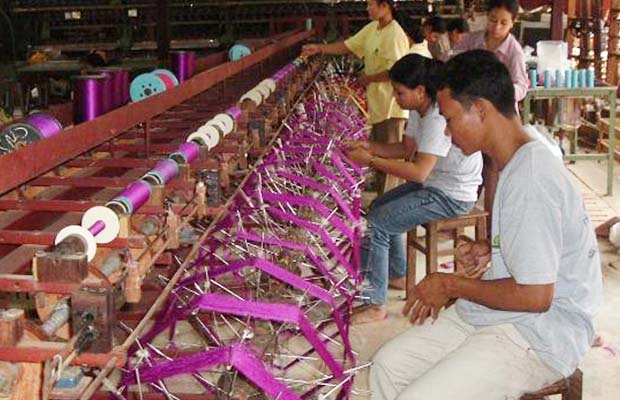
Once the silkworms have spun their cocoons, they are carefully harvested. The cocoons are then boiled in water to soften the sericin, a protein that holds the silk threads together. After boiling, the softened cocoons are unwound to extract the long, continuous strands of silk, which are then collected and processed.

4. Spinning and Dyeing

The extracted silk threads are spun into yarn, which can then be dyed using natural or synthetic dyes. Traditional silk farms often use natural dyes derived from plants, roots, and insects to produce vibrant and unique colors. The dyeing process is a meticulous art that ensures the silk’s rich hues and patterns.

5. Weaving and Crafting

Once dyed, the silk yarn is woven into various textiles using traditional handlooms. Cambodian silk weaving is renowned for its intricate patterns and designs, often reflecting cultural motifs and historical influences. Weavers employ age-old techniques to create stunning garments, accessories, and home textiles, showcasing their exceptional skill and artistry.

Why You Should Visit a Silk Farm in Cambodia

1. Cultural and Historical Insight

Visiting a silk farm offers a profound understanding of Cambodia’s textile heritage. The craftsmanship involved in silk production is deeply rooted in Cambodian history, dating back to the Khmer Empire. Experiencing this traditional art form provides valuable insights into the cultural and historical significance of silk in Cambodian society.

2. Educational Experience

Silk farm tours typically include guided visits that explain each step of the silk production process. From mulberry cultivation to the final weaving, these tours offer educational value, revealing the complexity and artistry behind silk production. You’ll learn about traditional techniques, the significance of various patterns, and the historical evolution of silk craftsmanship.

3. Hands-On Participation

Many silk farms offer interactive experiences where visitors can participate in the silk-making process. Whether it’s trying your hand at dyeing, spinning, or weaving, these hands-on activities allow you to engage directly with the craft and gain a deeper appreciation for the skill involved.

4. Support for Local Artisans

Visiting and purchasing from silk farms supports local artisans and helps sustain traditional craftsmanship. Many farms emphasize ethical practices, fair trade, and sustainable methods, contributing positively to the local economy and promoting environmentally friendly practices.

5. Unique Souvenirs

Silk farms often have on-site boutiques where you can purchase high-quality silk products directly from the source. From elegant scarves and intricate textiles to beautiful garments and accessories, these items make for unique and meaningful souvenirs. Purchasing directly from the farm ensures that your contributions benefit the local community and support traditional craftsmanship.

6. Connection with Cambodian Culture

Exploring a silk farm allows you to connect more deeply with Cambodian culture. The artistry of silk weaving and the intricate designs often reflect cultural symbols, mythological themes, and traditional patterns, offering a tangible connection to Cambodia’s artistic and cultural heritage.

A visit to a silk farm in Cambodia is a captivating journey into the country’s rich textile heritage. It offers a unique opportunity to witness the artistry of silk production, gain insights into traditional craftsmanship, and support local artisans. Whether you’re interested in the intricate process of silk making, eager to participate in hands-on activities, or looking for unique souvenirs, exploring a silk farm provides a memorable and enriching experience that connects you with Cambodia’s cultural and artistic legacy.

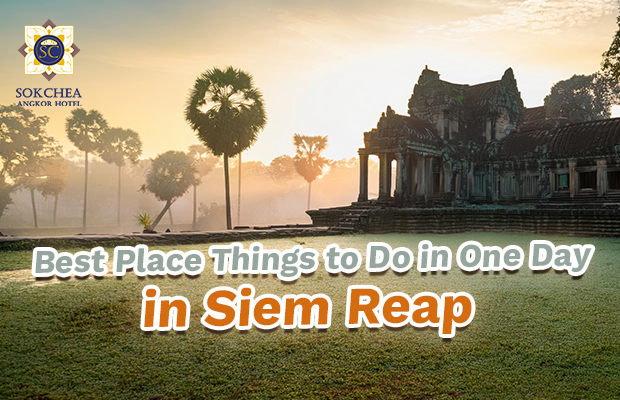
🌅 Best Things to Do in One Day in Siem Reap

🕗 Morning: Explore the Wonders of Angkor
– Start early (around 7:30 AM) to beat the heat and crowds.
– Visit Angkor Wat, the largest religious monument in the world.
– Continue to Bayon Temple (with the iconic smiling faces) and Ta Prohm (the Tomb Raider temple covered in roots).
– Tip: Arrange a tuk-tuk tour or hire a guide for historical context. Sokchea Angkor Hotel can help guests with bookings.

* Optional: Watch sunrise at Angkor Wat if you’re an early riser—totally worth it!

🍲 Lunch: Local Khmer Cuisine
– Head back into town and enjoy lunch at a recommended local restaurant.
– Try dishes like fish amok, beef lok lak, or green mango salad.
– Sokchea Angkor Hotel can suggest authentic and clean spots for traditional meals.

🛍 Afternoon: Culture & Craft
– Visit the Angkor National Museum to understand Khmer history and artifacts.
– Stroll through Artisans Angkor to see traditional crafts being made (and shop for souvenirs).
– Alternatively, try a Khmer cooking class if you prefer something hands-on.

🌇 Evening: Night Market & Entertainment
– Walk through the Siem Reap Night Market or Made in Cambodia Market.
– Grab street food or enjoy a relaxed sit-down dinner.
– End your day with either:
– An Apsara Dance Dinner Show (culture + dining).
– Or the Phare Cambodian Circus – storytelling through acrobatics and theater (highly recommended).

*Optional Add-on: Relax & Recharge
– Before dinner or after your day out, enjoy a Khmer massage or spa treatment.
– Many places offer 1-hour foot or full-body massages starting around $10–$15.