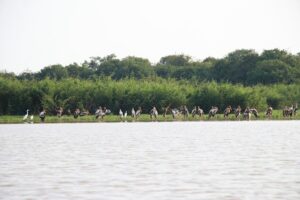
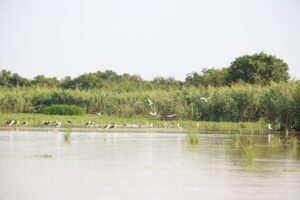
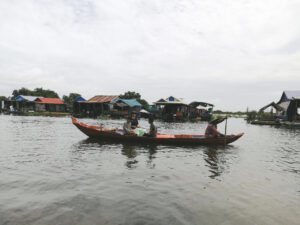
Boeng Pearaing, located just outside of Siem Reap city, is a peaceful and lesser-known destination that offers a refreshing escape into nature and local life. This large freshwater lake is surrounded by lush vegetation, floating houses, and traditional wooden stilt homes, offering a glimpse into the daily life of Cambodian fishing communities. Unlike the more crowded tourist attractions in Siem Reap, Boeng Pearaing is quiet and serene, making it perfect for travelers seeking an authentic and relaxing experience. Visitors can enjoy boat rides across the calm waters, observe local fishermen at work, and even participate in birdwatching, as the area is home to a variety of wetland bird species. In the late afternoon, the golden hour light casts a magical glow over the lake, creating perfect opportunities for photography and peaceful reflection. Local food stalls offer freshly prepared dishes, often featuring fish caught from the lake itself. Boeng Pearaing also serves as an educational spot, where travelers can learn about environmental conservation and the delicate balance of Cambodia’s wetland ecosystems. Whether you’re looking for a cultural experience, nature exploration, or simply a quiet place to unwind, Boeng Pearaing provides a beautiful and meaningful escape close to the heart of Siem Reap.
🌿 Overview & Conservation
– The sanctuary covers approximately 175–200 hectares of wetland.
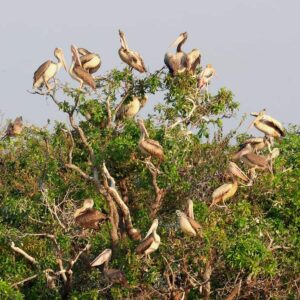
– It supports over 175 species of waterbirds, including rare and endangered species such as:
– Milky Stork
– Spot-billed Pelican
– Greater Adjutant
– Purple and Grey Heron
– Black-headed Ibis
– Comb Duck
– Lesser Whistling Duck
– Purple Swamphen
– It plays a key role as a migratory stopover and breeding site in Cambodia.
– Community-led conservation efforts, including partnerships with NGOs and monks, are protecting habitats from drought, overfishing, and habitat loss.
🕒 Best Time to Visit
– Birdwatching Season: February to May is ideal, as water levels are moderate and migratory birds are active.
– Dry Season Visits: Mid-March to July offers beautiful landscapes, clear skies, and easier access to birdwatching zones.
– Suggested Times:
– Morning (7:00 AM – 9:00 AM): Cooler temperatures, active bird movement.
– Afternoon (around 3:45 PM): Stunning wetland sunsets and fewer visitors.
🚣 What You Can Do at Boeng Pearaing
– Boat Tours: Glide through the marshes on a traditional wooden boat (about 1 to 1.5 hours). It’s the best way to spot birds quietly and safely.
– Kayaking: For a more immersive and peaceful experience, kayak through narrow water channels.
– Community Tours: Visit local farming villages, rice fields, floating gardens, or local markets in Chreav Commune.
– Photography & Birdwatching: Capture rare birds, stunning wetland reflections, and authentic Cambodian landscapes.
💵 Entrance & Tour Details
– Entrance Fee: Approximately $5 USD per person.
– Boat Rental: Around $15–25 USD per boat, which fits 3–4 people.
– Guided Tours: Range from $40–50 USD per group, depending on size and services.
– Total Duration: Most visits last 3 to 4 hours, including round-trip transport and on-site exploration.
🦜 Why It’s Special
– Hosts over 175 species of waterbirds, making it one of the most significant bird sanctuaries in the Tonle Sap floodplain region.
– Wildlife includes not just birds but fish, amphibians, buffalos, and even otters.
– Conservation is community-driven, making your visit a contribution to local livelihoods and biodiversity protection.
📍 How to Get There
– From Siem Reap city or Sokchea Angkor Hotel, Boeng Pearaing is about 20–30 minutes by tuk-tuk, motorbike, taxi, or private car.
– Located via the Chreav Commune Road southeast of the city.
– Many tours offer hotel pick-up and drop-off, including snacks and water.
✅ Reasons to Visit Boeng Pearaing
A peaceful alternative to the Angkor temples, perfect for nature lovers.
– Supports eco-tourism and helps preserve Cambodian wetlands and birdlife.
– Ideal for:
– Birdwatching & Wildlife Photography
– Nature tours
– Family eco-trips
– Culture seekers exploring authentic Khmer village life.
🔖 Travel Tips
– Bring binoculars, insect repellent, hat, sunscreen, camera, and light long-sleeved clothing.
– Respect the environment and follow your guide’s instructions.
– Avoid loud noises or sudden movements to not disturb the birds.

 Indian counterparts,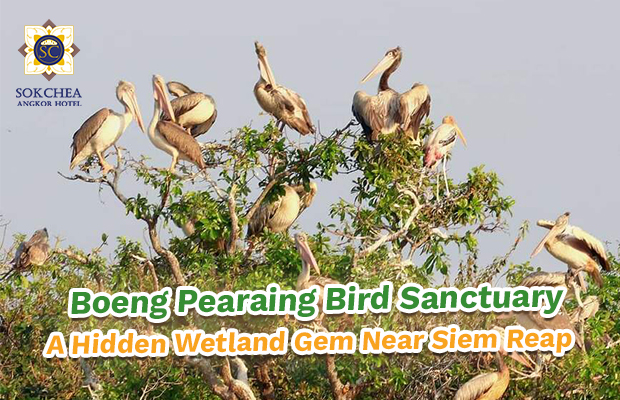


 Boat tours offer stunning views of the flooded forests and provide access to the nearby Prek Toal Bird Sanctuary, a haven for rare and endangered water birds. These tours are not only visually breathtaking but also educational, shedding light on the importance of the lake’s unique ecosystem and the threats it faces from climate change and overfishing. What sets Mechrey apart is how tourism is integrated into the community in a respectful and mutually beneficial way. Proceeds from tours often go toward supporting local schools, healthcare, and conservation initiatives. Travelers can even take part in community activities such as cooking traditional Khmer dishes, visiting floating schools, or participating in environmental cleanup efforts. This kind of tourism creates meaningful exchanges between hosts and guests, fostering mutual understanding and respect. However, Mechrey is not without its challenges. Fluctuating water levels, plastic pollution, and limited access to resources make daily life difficult for residents. That’s why responsible tourism is so crucial here—it provides not just income but awareness and advocacy. Organizations and NGOs working in the area help train local guides, develop eco-friendly waste management systems, and empower villagers—especially women and youth—to take on leadership roles in tourism management. For travelers seeking more than just sightseeing, Mechrey offers the chance to witness resilience, ingenuity, and the power of a community united with nature. Visiting Mechrey is not just about observing a floating village; it’s about understanding a way of life and contributing, even in a small way, to its preservation. In doing so, we help ensure that places like Mechrey continue to float—not just on water, but on hope, dignity, and sustainable progress.