🌿 Kampong Khleang Nature Tourism Community
Location: Kampong Khleang Village, Kampong Khleang Commune, Sout Nikom District, Siem Reap Province, Cambodia about 52 km southeast of Siem Reap city and Sokchea Angkor Hotel.
Established in 2016, the community was formed in collaboration with local authorities and NGOs to support local livelihoods by developing sustainable ecotourism and promoting environmental conservation.


🌟 What You Can Experience
🛶 Canoe & Boat Tours
Ride canoes or wooden boats through floating villages, seasonally flooded forests, and the edge of the Tonlé Sap Lake.
Witness the daily life of fishing communities and their adaptation to water-based living.
🍲 Community Meals & Homestays
Enjoy traditional Khmer meals made from local ingredients (like sticky rice, palm sugar, and grilled fish).
Stay overnight with local families to immerse yourself in rural Cambodian life.
📚 Environmental Education
A portion of the income from tourism supports Bridge of Life School, clean water projects, and environmental education for locals and children.
📅 Seasonal Features
Rainy Season (June–October): The entire village becomes a floating village with houses and boats gliding over the water.
Dry Season (November–May): The water recedes, exposing “wooden skyscrapers” — tall stilt houses that rise dramatically above the dry land.
💲 Tour Options & Pricing
Option Description
Group Tours: Daily departures with guides, canoe trip, and village visit & Price Range 38–45 USD
Private Tours 5.5-hour full experience, including school visit, pagoda, and Tonlé Sap sunset view & Price Range $60 USD
Custom Packages: Add-on services like Khmer cooking class, extended homestays, or community volunteering: & Price Range Varies
✅ Best For
Activity, What You’ll Gain
Canoe/Boat Ride: Explore ecosystems, learn about floodplain living and aquatic biodiversity
Environmental Study: Get insights from community guides about seasonal flooding and sustainable adaptation
Community Support: Help fund local education and clean water through responsible tourism
Local Culture: Participate in Khmer traditions like fishing, cooking, and temple visits
🌍 Community Impact
The project actively improves livelihoods, education, and environment.
It’s known for being a more ethical alternative to over-commercialized floating villages like Chong Khneas.
Revenues are reinvested into the community through infrastructure, schooling, and clean water access.

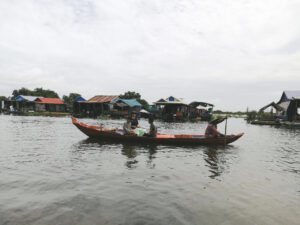 Boat tours offer stunning views of the flooded forests and provide access to the nearby Prek Toal Bird Sanctuary, a haven for rare and endangered water birds. These tours are not only visually breathtaking but also educational, shedding light on the importance of the lake’s unique ecosystem and the threats it faces from climate change and overfishing. What sets Mechrey apart is how tourism is integrated into the community in a respectful and mutually beneficial way. Proceeds from tours often go toward supporting local schools, healthcare, and conservation initiatives. Travelers can even take part in community activities such as cooking traditional Khmer dishes, visiting floating schools, or participating in environmental cleanup efforts. This kind of tourism creates meaningful exchanges between hosts and guests, fostering mutual understanding and respect. However, Mechrey is not without its challenges. Fluctuating water levels, plastic pollution, and limited access to resources make daily life difficult for residents. That’s why responsible tourism is so crucial here—it provides not just income but awareness and advocacy. Organizations and NGOs working in the area help train local guides, develop eco-friendly waste management systems, and empower villagers—especially women and youth—to take on leadership roles in tourism management. For travelers seeking more than just sightseeing, Mechrey offers the chance to witness resilience, ingenuity, and the power of a community united with nature. Visiting Mechrey is not just about observing a floating village; it’s about understanding a way of life and contributing, even in a small way, to its preservation. In doing so, we help ensure that places like Mechrey continue to float—not just on water, but on hope, dignity, and sustainable progress.